Which Window Frame Materials Hold Up in Salt Air

Frames are supposed to outlast the hardware inside them. Often the hinge or lock gives out first, especially in Carlsbad, CA, where salt rides in on the marine layer, and window installation carlsbad earth liberation front weighs hardware before frame color on every window it covers.
Salt on the surface
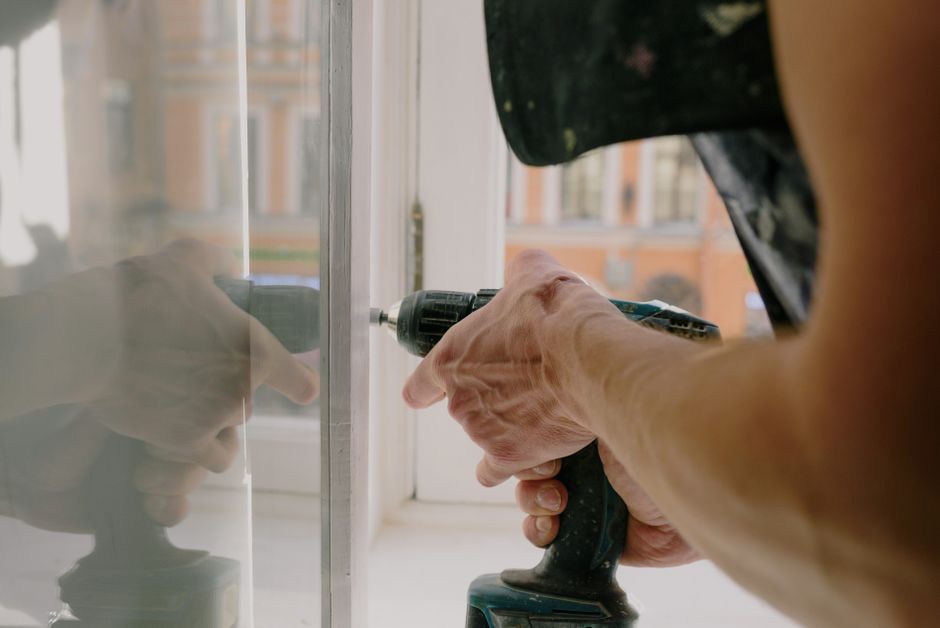
Salt deposits attract and hold moisture, so a film left on exposed metal keeps it damp long after the fog burns off. Homes near Carlsbad State Beach, Agua Hedionda Lagoon and Batiquitos Lagoon see this most, but the damp air carries salt a good distance inland past Interstate 5. A slider track with salt packed into the corner stays wet right where the roller sits, and that is where corrosion starts.
Vinyl and fiberglass
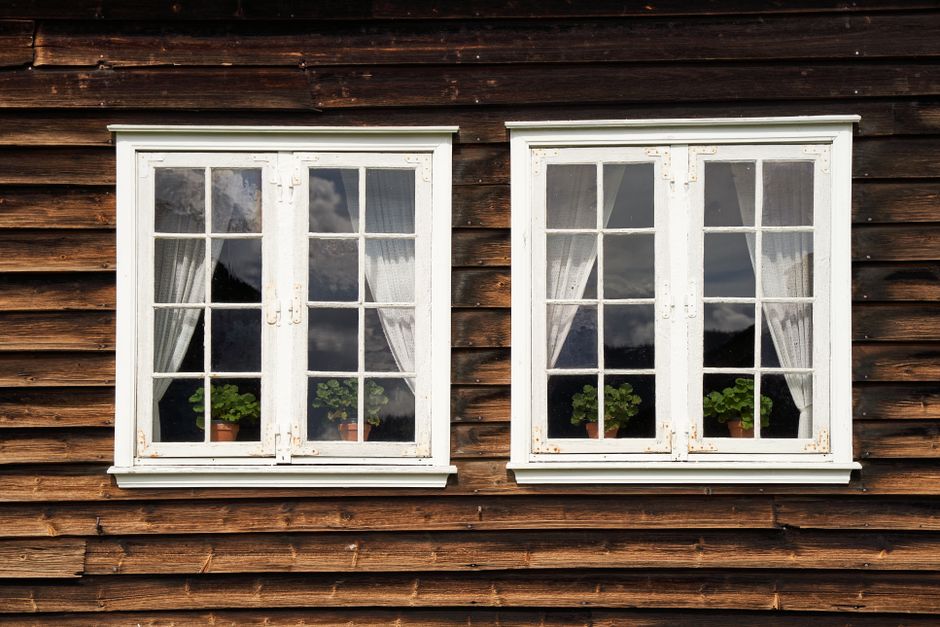
A vinyl window does not corrode, which is a real advantage in salt air. The tradeoff is movement. Vinyl expands and contracts with temperature more than wood or fiberglass does, so long dark frames on a west wall work harder than short white ones. That is not the same as needing no care, because the tracks, weep holes and hardware still collect salt. A fiberglass window expands at a rate close to that of glass. That keeps the seal between frame and insulated glass steadier through hot afternoons and cool nights.
Aluminum
Aluminum conducts heat readily, so a plain aluminum window moves outdoor temperature straight to the inside face. A thermally broken frame adds a low conductivity barrier between the inside and outside halves. Aluminum does not rust the way steel does, though salt can still pit the finish and dull it when left alone. Slim sightlines suit a large picture window or a slider, and the break matters most on those big openings.
Wood and clad wood
A wood window needs intact paint, stain or exterior cladding. Bare wood absorbs moisture and can rot, and the lower corners of the sash go first because water sits there. A clad window puts a metal or vinyl skin on the weather side and leaves the wood inside. The skin only protects while the joints and sealant stay tight, so those get checked each year.
Hardware and rinsing
Hinges, locks, operators and screws often fail before frames do. Stainless steel hardware resists salt corrosion better than plain or plated steel, and that matters most on a casement or awning, where the operator and hinge arms carry the load every time the sash opens. Rinsing frames, tracks and screens with fresh water removes salt buildup that otherwise grinds and corrodes moving parts. A gentle rinse every month or two near the water is enough, followed by a dry rag on the tracks. No frame material is maintenance free, and the hardware list deserves as much thought as the frame.